
Beyond health benefits, today’s consumers are increasingly paying attention to the overall experience when consuming a product. Factors such as texture, taste, aroma, and mouthfeel are no longer seen as additional elements, but as essential components that influence purchasing decisions as well as consumer loyalty to a brand.
Across many food and beverage categories, a pleasant consumption experience often becomes a key differentiator amid increasingly intense competition. Products that taste good, are comfortable to consume, and deliver the right sensory experience tend to be more easily accepted and remembered by consumers.
Dairy-based products have a natural advantage in creating a comfortable and satisfying consumption experience. Their familiar flavour profile and smooth textures make dairy an ingredient that is easy to develop across a wide range of product types.
The role of texture and taste in dairy products
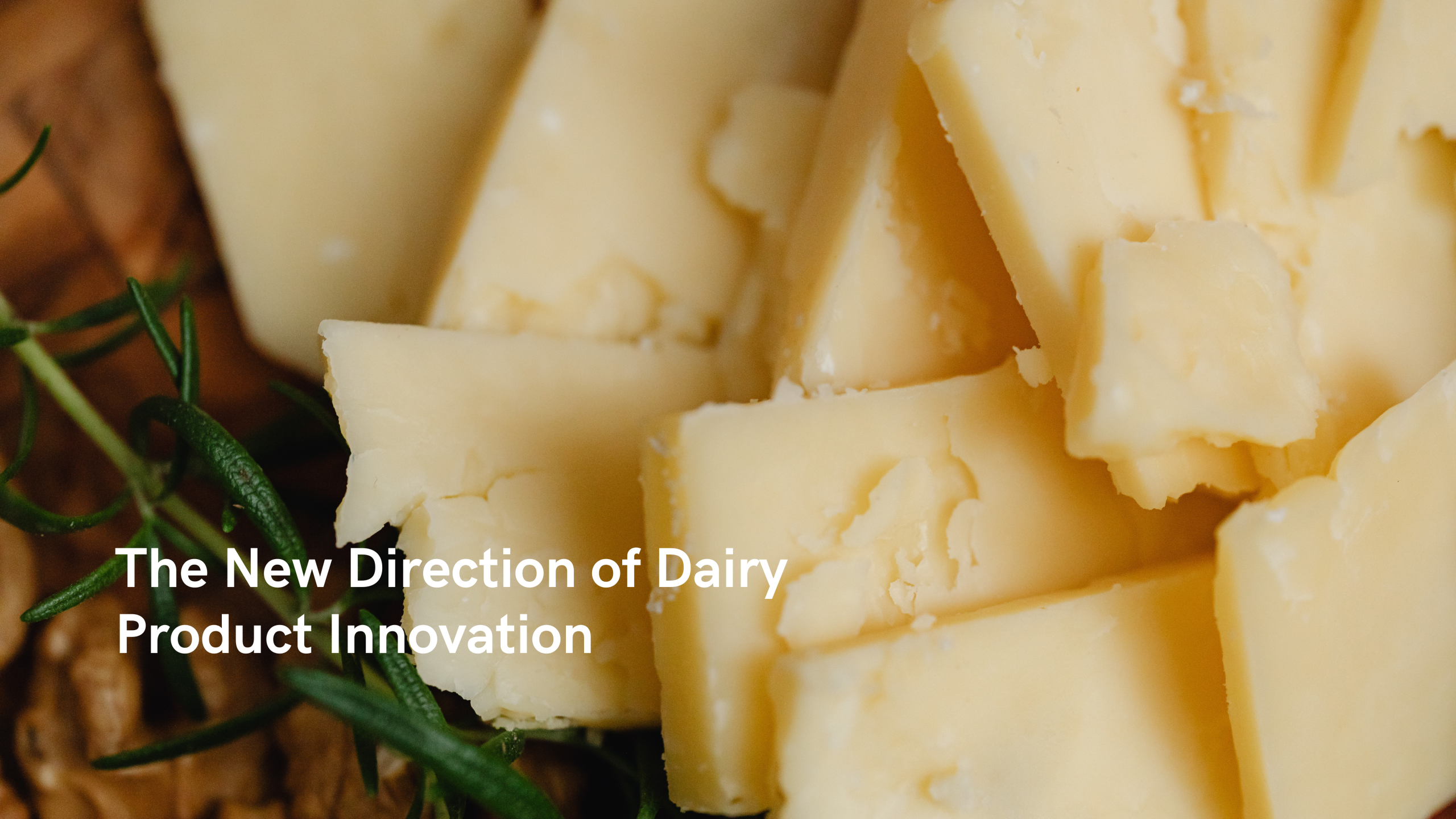
Yogurt with a creamy texture, smooth milk-based beverages, or cheese with a melting sensation are examples of how texture plays a major role in shaping perceptions of product quality. The right texture can enhance enjoyment and create a premium impression, even without significant changes to the formulation.
Trends show that consumers are becoming increasingly interested in products with richer texture variations, such as:
- Yogurts that are thicker, fluffier, or feel smoother
- Beverages with a balanced creamy sensation that is not too heavy yet still satisfying
- Dairy products that provide a comforting and soothing sensation, especially when consumed alongside spicy foods
In this context, dairy often functions as a balancing element for flavour and texture, while also enhancing the overall eating experience.
Dairy-based functional products
In addition to sensory aspects, dairy ingredients are also widely used in the development of functional products that support consumers’ daily nutritional needs. Some application examples include:
- Beverages containing protein and fibre to support satiety and energy
- Yogurts formulated to help support digestive health
- Fermented dairy products designed for regular consumption as part of a healthy lifestyle
Ingredients such as milk solids, whey protein, cream, and butter not only contribute to taste and texture, but also help maintain product stability, consistency, and performance throughout production and distribution.
The advantages of dairy as a formulation ingredient
Compared with many other ingredients, dairy ingredients offer several key advantages in product formulation, including:
- Stable taste consistency and performance over time
- Ease of processing and integration into various formulation systems
- Flexibility for use across a wide range of applications, from beverages and yogurts to bakery and dessert products
With the right ingredient selection and balanced formulation, brands can create products that are not only functional from a nutritional perspective, but also remain enjoyable, comfortable to consume, and easily accepted by consumers across different market segments.